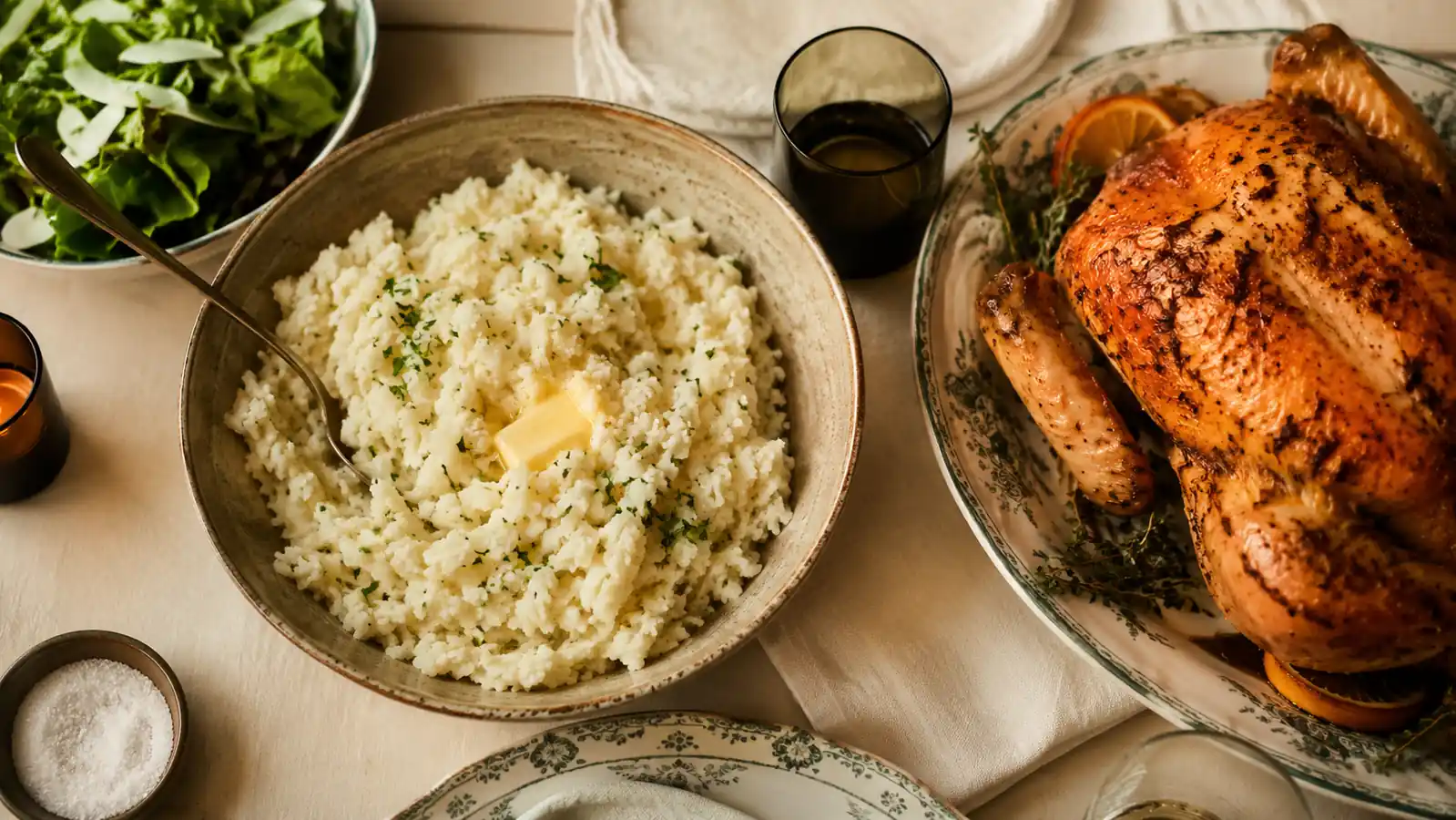
The first time I used a potato ricer, it was borrowed from my mother-in-law for a Thanksgiving I was terrified of ruining. Six months ago I bought my own, the PriorityChef 15oz stainless steel ricer, mostly because I got tired of asking to borrow hers every time I wanted mashed potatoes that didn't look like they came from a cafeteria line. Since then it has sat in the drawer next to my good knives, and it has come out almost every Sunday for our family dinner, plus two holidays, one dinner party, and one very ambitious attempt at gnocchi that taught me more about flour than potatoes.
I'm not a chef. I'm someone who cooks dinner most nights for a family of five, and my standard for a kitchen tool is simple: does it earn its spot in the drawer, or does it end up in the donation box after two uses. Six months in, this ricer has earned its spot, but it took me a few Sundays to figure out why it wasn't giving me the results I expected, and that part matters if you're deciding whether to buy one.
The Quick Verdict
After 6 months of weekly mashed potatoes, this ricer still grips solid and produces genuinely fluffy, lump-free mash, the only real downside is cleaning dried potato out of the fine disc if you let the bowl sit too long.
Amazon Check Today's Price →Tired of lumpy mash you have to apologize for at the table?
This is the ricer I reach for every single Sunday. Check today's price on Amazon and see current availability before you plan your next dinner.
Amazon Check Today's Price on Amazon →How I've Used It
My routine is almost always the same. I boil peeled Yukon golds or russets until a fork slides in without resistance, drain them well, and let them sit in the colander for a minute or two so the excess steam and water escape. That step matters more than I expected, water left clinging to the potatoes makes the riced result gummy instead of light, and it took me about three Sundays of slightly wet mash before I figured out that the problem was my prep, not the tool.
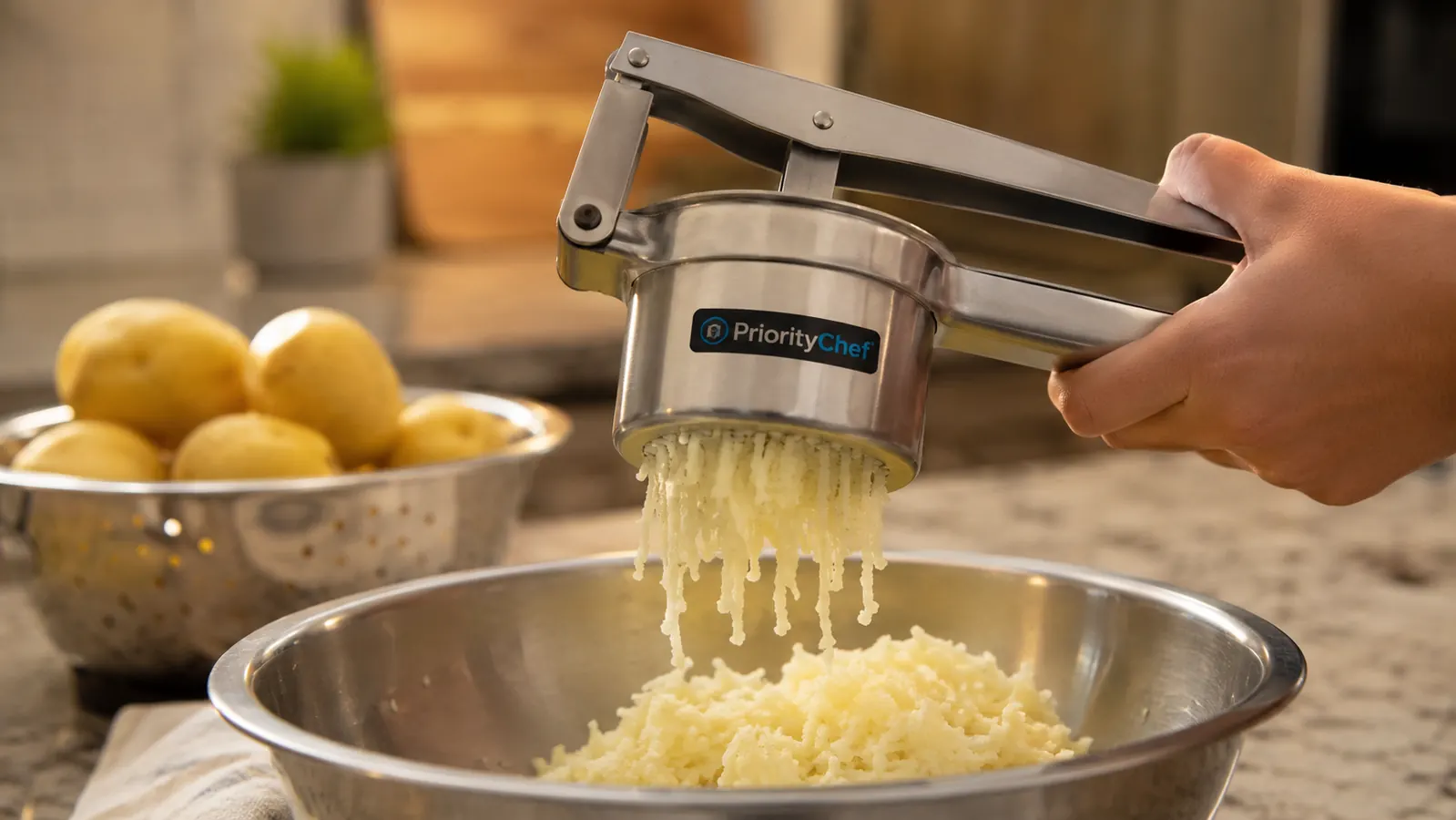
I load the hopper in batches, usually a quarter of a large potato at a time, close the arm, and press down over a wide stainless bowl. With the medium disc, which is the one I use for almost everything, a full batch of five potatoes for our family takes me about four minutes start to finish, not counting boiling time. I've also used it for sweet potatoes at Thanksgiving and once, on a whim, for cooked cauliflower when my youngest was going through a phase of only eating things that looked like mashed potatoes.
The handle has a rubberized grip that I was skeptical of when the ricer first arrived. Six months and probably thirty uses later, it hasn't cracked, peeled, or gone sticky the way cheap silicone grips sometimes do after contact with hot food and dish soap. That was one of my bigger worries going in, since I've had other kitchen tools with rubber coatings turn tacky within a few months.
How the PriorityChef Held Up After 6 Months of Weekly Use
This is the part I actually care about most in a long-term review, because plenty of kitchen tools work fine out of the box and then disappoint you three months in. The ricer body is stainless steel, and the hinge where the two arms meet is a riveted pin rather than a plastic pivot. After roughly 30 uses, that hinge still moves the same way it did the day I unboxed it. No wobble, no grinding, no play side to side when I press down hard on a stubborn chunk of potato.
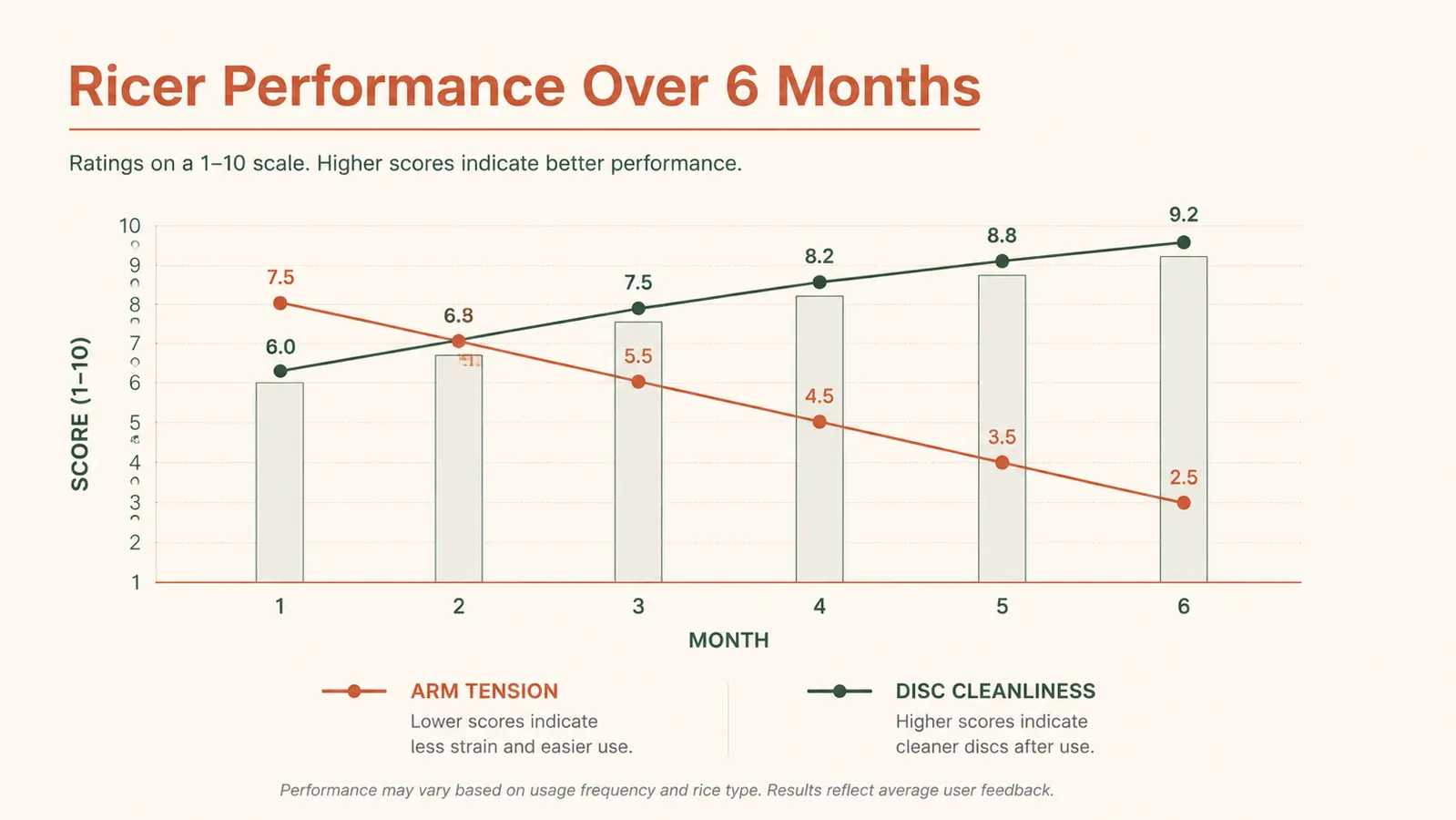
I did notice, around month three, that pressing down on a full hopper of dense russets required a bit more forearm effort than I remembered from the first few uses. I don't think that's the ricer weakening, I think it's because I'd started overfilling the hopper to save time, which is a habit I had to correct. Once I went back to smaller batches, the pressure needed went back to feeling easy.
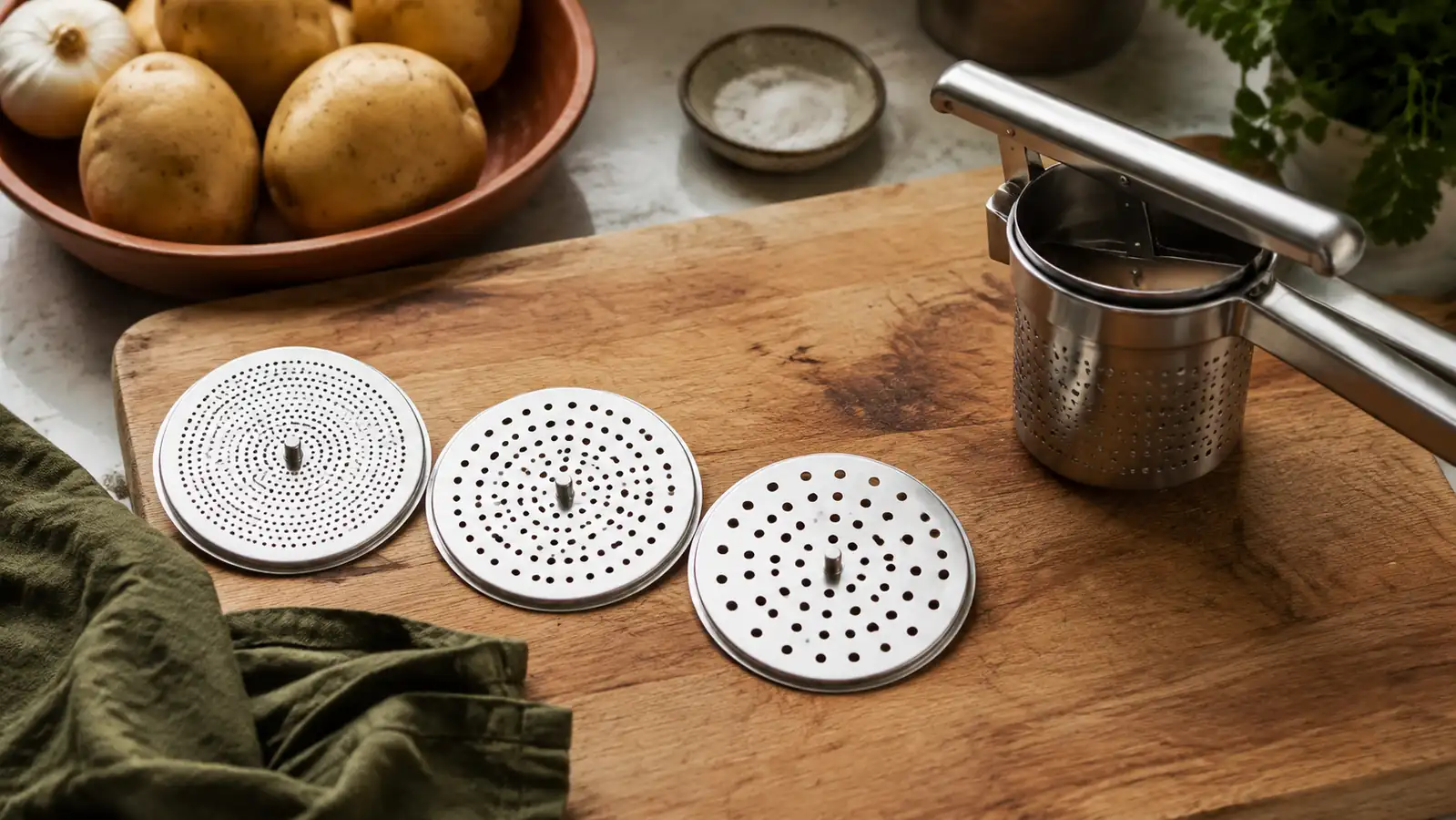
The one wear point worth mentioning is the fine disc. It has three interchangeable discs, fine, medium, and coarse, that snap into the bottom of the hopper. The fine disc has small enough holes that dried potato starch can get stuck in them if you don't rinse the ricer within an hour or so of using it. I learned this the hard way after a Thanksgiving where the ricer sat in the sink overnight with dried sweet potato clogging half the holes. A soak in warm water and a toothbrush around the rim fixed it, but it was a fifteen-minute chore I'd rather have skipped.
One thing I appreciate that you don't notice the first day you own it: the seam where the mesh disc meets the ricer body doesn't have a rough edge that catches on a sponge, which sounds like a small thing until you've owned a colander with a burr that shreds your dish rag every single wash. Six months of dishwasher cycles and hand washing later, that seam is still smooth, and none of the rivets holding the handle together have loosened or started to squeak.
The Three Disc Inserts, What They Actually Do
Before I bought this, I assumed the three discs were a marketing gimmick, the kind of thing that sounds good on the box but nobody actually swaps out. I was wrong about that. The coarse disc is what I reach for when I'm making a rustic mash with the skins left on, the kind with visible texture that my husband actually prefers over the smooth version. The medium disc is my everyday choice for standard mashed potatoes, and it's the one that gives that classic light, almost whipped texture without any extra butter or cream needed to loosen it up.
The fine disc is the one I use for gnocchi dough and for baby food when my sister borrows the ricer for her one-year-old. It produces potato that's almost powder-fine, which matters a lot for gnocchi since dense, wet potato chunks are the number one reason homemade gnocchi turns out gummy instead of pillowy. My first gnocchi attempt with a hand masher was a disaster. My second attempt, using the fine disc on this ricer, actually held together in the pot instead of dissolving into a starchy soup.
Swapping discs takes about ten seconds. You pop out the current one from underneath, hand-wash it if there's leftover residue, and press the next one in until it clicks. It's not a tool-free design you'll forget how to use, and after the first swap I never had to think about it again.
Getting Fluffy, Lump-Free Mash Every Time
The single biggest difference between this and the hand masher I used for years is consistency. With a masher, no matter how long I worked at it, I'd always find a stray lump hiding near the bottom of the pot, usually right when I was serving my mother-in-law a plate. With this ricer, every potato that goes through the hopper comes out the same texture on the other side. There's no manual judgment call about whether it's mashed enough, the disc does that work for you.
The texture difference is noticeable at the table too. Riced potatoes trap more air as they pass through the small holes, so the finished mash is lighter and fluffier than anything I could get by hand, even before I add butter and warm milk. My father-in-law, who has strong opinions about mashed potatoes and rarely compliments anything, has now asked twice how I got them "so light." I tell him it's the ricer, and he still doesn't quite believe such an inexpensive kitchen tool made that much difference, but it did.
One thing I'll flag honestly, if you like a denser, stickier mashed potato style, the kind some Southern recipes call for, this tool will fight against that a little. The whole point of ricing is aeration, so if your ideal mash is thick and gluey, you may prefer sticking with a hand masher for that specific texture.
I've also compared it side by side with my mother-in-law's older ricer at two holiday dinners now, using the same potatoes, same pot, and the same butter and milk added afterward. Hers is heavier and a touch harder to squeeze, but the finished texture between the two is close enough that I don't think anyone at the table could tell them apart blind. What sold me on buying my own instead of continuing to borrow was simply not having to ask, and not having to remember to give it back before I left.
Cleanup, the Part Nobody Talks About
Most reviews skip cleanup, and it's honestly the part that determines whether a tool stays in rotation or gets shoved to the back of a drawer. This ricer is dishwasher safe, and I've run it through my dishwasher probably twenty times over the six months without any rust spots or discoloration on the stainless steel. That matters, because I've owned other stainless kitchen tools that developed faint rust freckles after repeated dishwasher cycles.
Hand washing is where you need to pay attention. If potato dries onto the disc, it takes real scrubbing with a stiff brush to get it fully clean, especially on the fine disc. My habit now is to rinse it under hot water immediately after use, before the starch has a chance to set. When I follow that habit, cleanup takes under a minute. When I forget, which has happened maybe four or five times in six months, it's closer to ten minutes with a toothbrush.
What I Considered Instead
Before buying this one, I looked at a noticeably cheaper aluminum ricer, and a food mill that does a similar job but also handles soups and sauces. I skipped the aluminum one because a friend's version bent slightly under pressure with a full load of russets, and I skipped the food mill because it's a bigger, bulkier tool that felt like overkill for a family that mostly just wants good mashed potatoes on Sundays, not tomato sauce projects.
If you cook in larger batches regularly, like for a big extended family or meal prepping for the week, it's worth knowing this ricer holds about 15oz of potato per press, which is roughly one medium potato's worth. For our family of five I do three to four presses per meal, which adds maybe two extra minutes compared to a ricer with a bigger hopper. It's a tradeoff I've made peace with in exchange for the tool feeling solid and not flimsy.
Six months of steady use has me feeling good about the trade I made. I'm not precious about kitchen tools, if something breaks or underperforms I say so, but this one has been the rare case where the tool disappeared into the routine instead of becoming a project I had to manage. That's really the bar for me now when I'm looking at any new kitchen gadget, current price and features aside, will it still feel this solid a year from now.
What I Liked
- Stainless steel body still feels solid after 6 months of weekly use
- Three interchangeable discs actually serve different purposes, not a gimmick
- Produces noticeably fluffier, lump-free mash compared to hand mashing
- Dishwasher safe with no rust after 20+ cycles
- Rubberized handle hasn't cracked or gone sticky
Where It Falls Short
- Fine disc holes clog with dried starch if not rinsed promptly
- 15oz hopper means multiple presses for larger families or batches
- Requires more forearm pressure than a hand masher on dense potatoes
- Not ideal if you prefer a denser, stickier mashed potato texture
My father-in-law asked twice how I got the mashed potatoes so light. I told him it's the PriorityChef ricer, and he still doesn't quite believe such an inexpensive kitchen tool made that much difference. But it did.
Who This Is For
If you make mashed potatoes more than once a month and you've ever been annoyed by lumps, or if you're chasing that light, restaurant-style fluffy texture without buying extra butter to compensate, this earns its place in a drawer. It's also genuinely useful if you make gnocchi, baby food, or riced sweet potatoes, since the fine disc handles all three well. Anyone tired of the arm workout that comes with hand mashing a full pot of russets will notice the difference in effort almost immediately.
Who Should Skip It
If you only make mashed potatoes a couple times a year, or if your household actually prefers a denser, stickier mash over a light and fluffy one, you may not get enough use out of this to justify the drawer space. Big batch cooks who regularly mash for large gatherings might also want to check the hopper size against their needs, since 15oz per press means more repetitions for a big pot of potatoes.
Ready for mashed potatoes without a single lump on Sunday?
This is the exact ricer that's been in my weekly rotation for six months. Check today's price on Amazon before your next family dinner.
Amazon Check Today's Price on Amazon →